Sistema de Administración para Misceláneas (SAM)
SAM is an online application for managing small
and medium-sized local convenience stores.
Brief
In the Mexican context, there are many businesses of this type, but they do not have strict control over marketing, expenses and sales processes. Our goal was to offer them an intuitive system that helps owners to achieve control of money and merchant flows.
We designed an application that is easy to understand, with an interface that does not overwhelm the user, while offering powerful functionalities.
Role and Responsibilities:
- Researcher: define and ideate.
- Visual designer: prototype.
- Duration of the project: 4 months.
Flowcharts
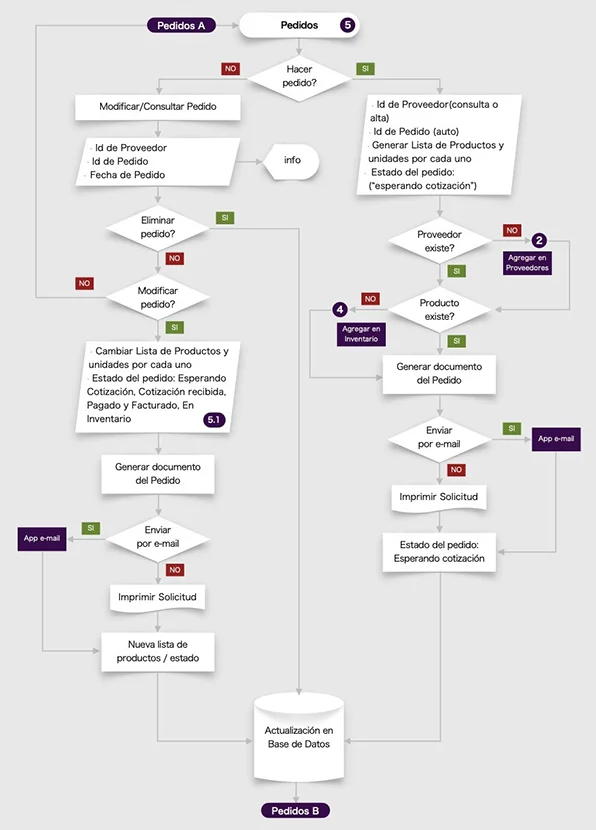
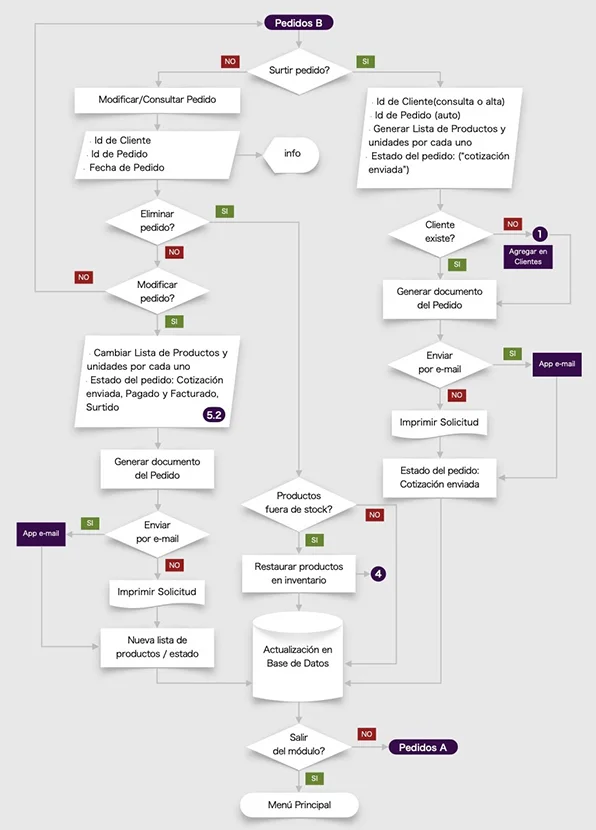
The analysis was carried out taking into account other system models such as the one of OXXO or 7-Eleven. However, adapting it to the needs of a small business, which does not count with a large infrastructure or vast resources.
The flowcharts shown above are an example of diagrams that are easy to understand, with a modern and elegant visual design, but above all describing effectively the long process of picking orders.
A non-overwhelming interface
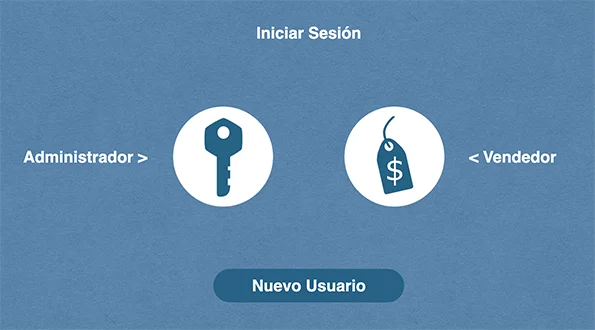
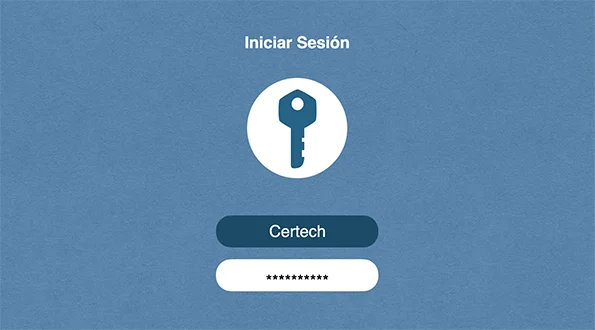
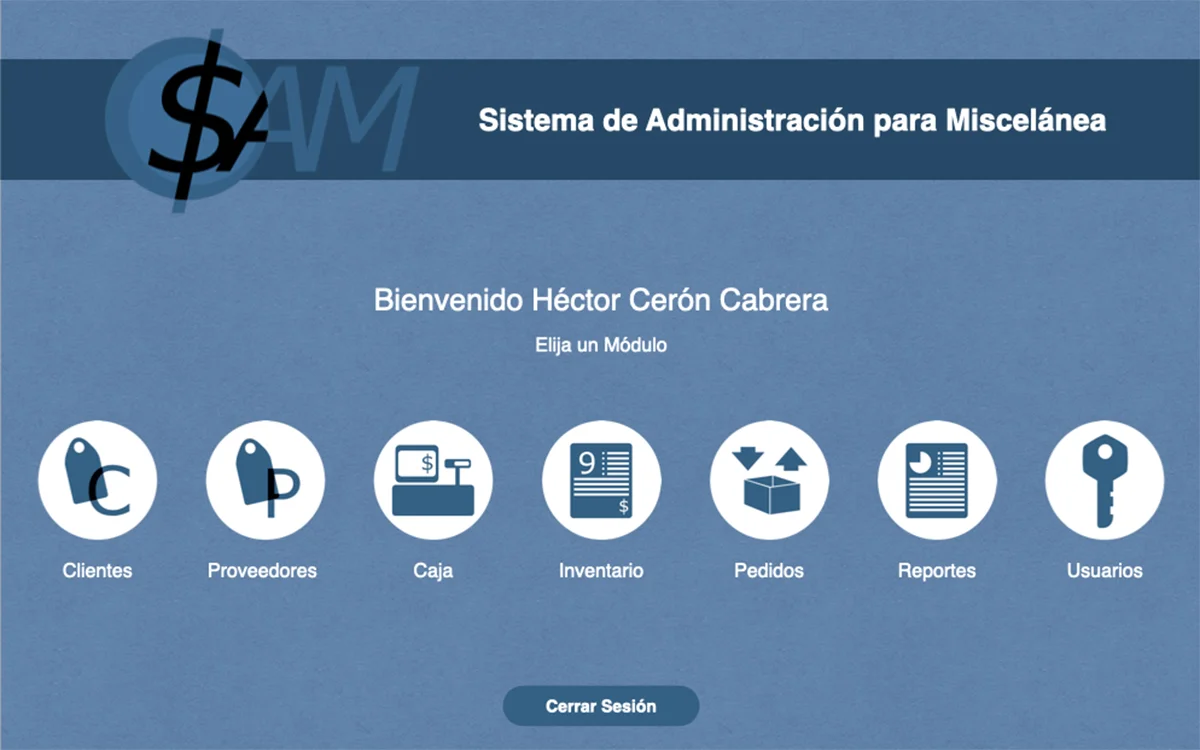
The iconography was designed to achieve a quick interpretation of the function of each module, making the system look friendly and intuitive.
Visually classified information
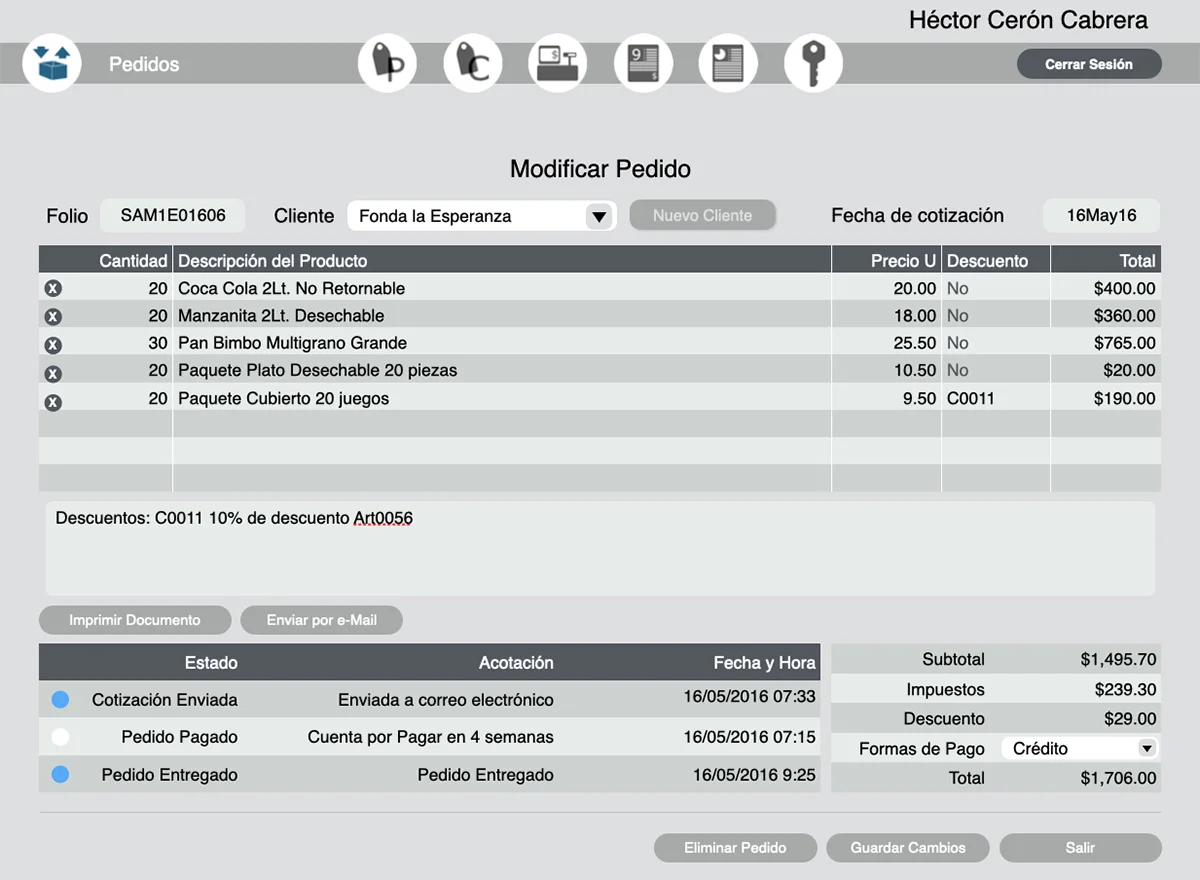
The order screen is used to update the progress in the payment process of a credit order. All relevant transaction information is displayed concisely and clearly.
Release
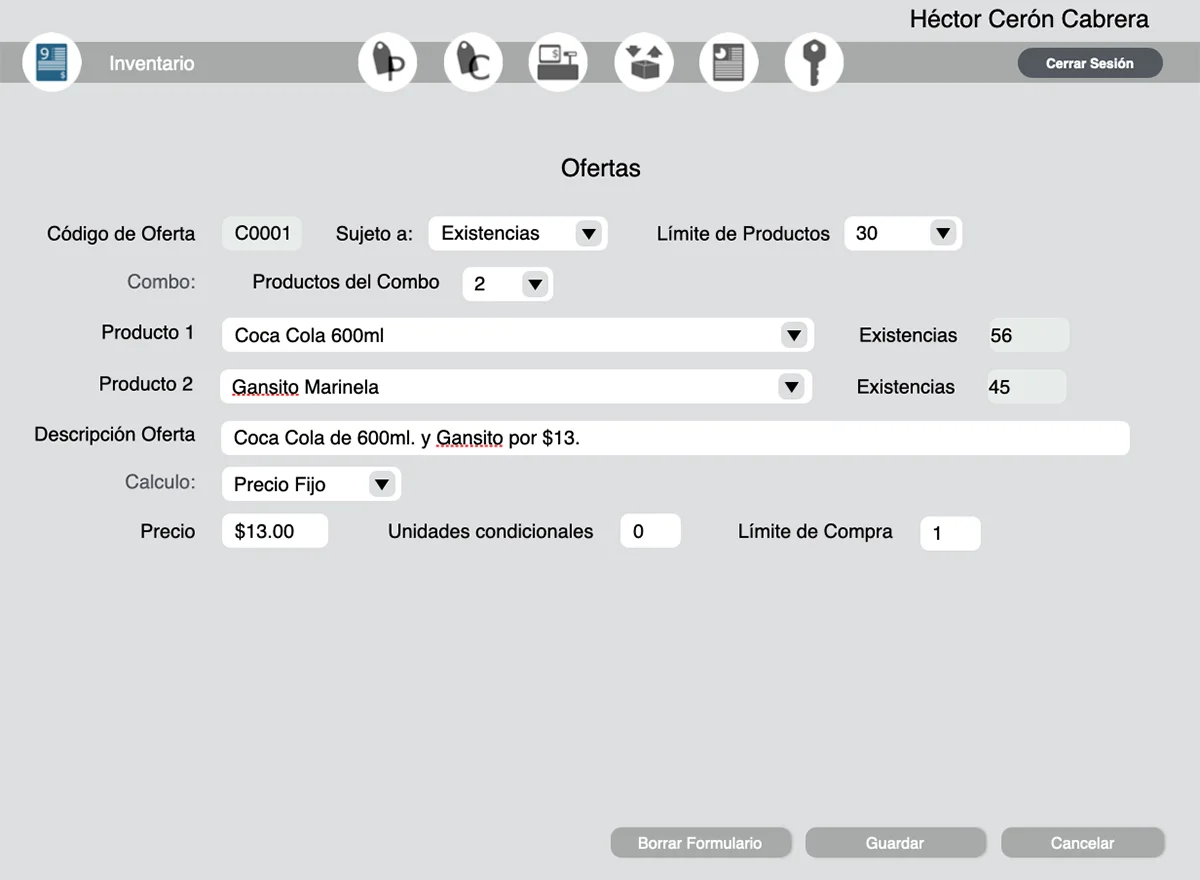
Promotions available in local convinience stores are different than the ones offered in franchises. In the analysis, we had to take into consideration the duration of the offer, how many products are available, how many promotions are allowed per customer, the type of discount calculation, the combination of different products, among other factors.
The screen only displays relevant information in each case, providing simplicity and avoiding confusion.
Prototype video
 Go up
Go up
 Prev
Prev
 Home
Next
Home
Next